Published: 05/04/2026
By Catherine Wu, Global Health Communications Assistant
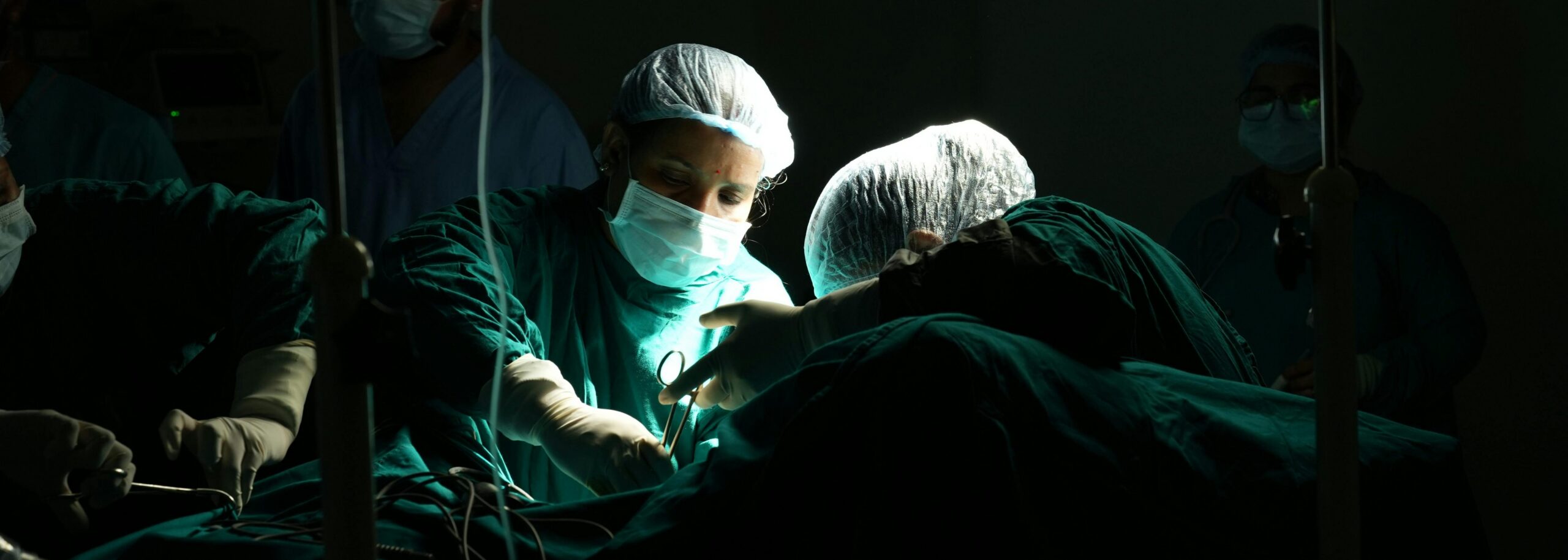
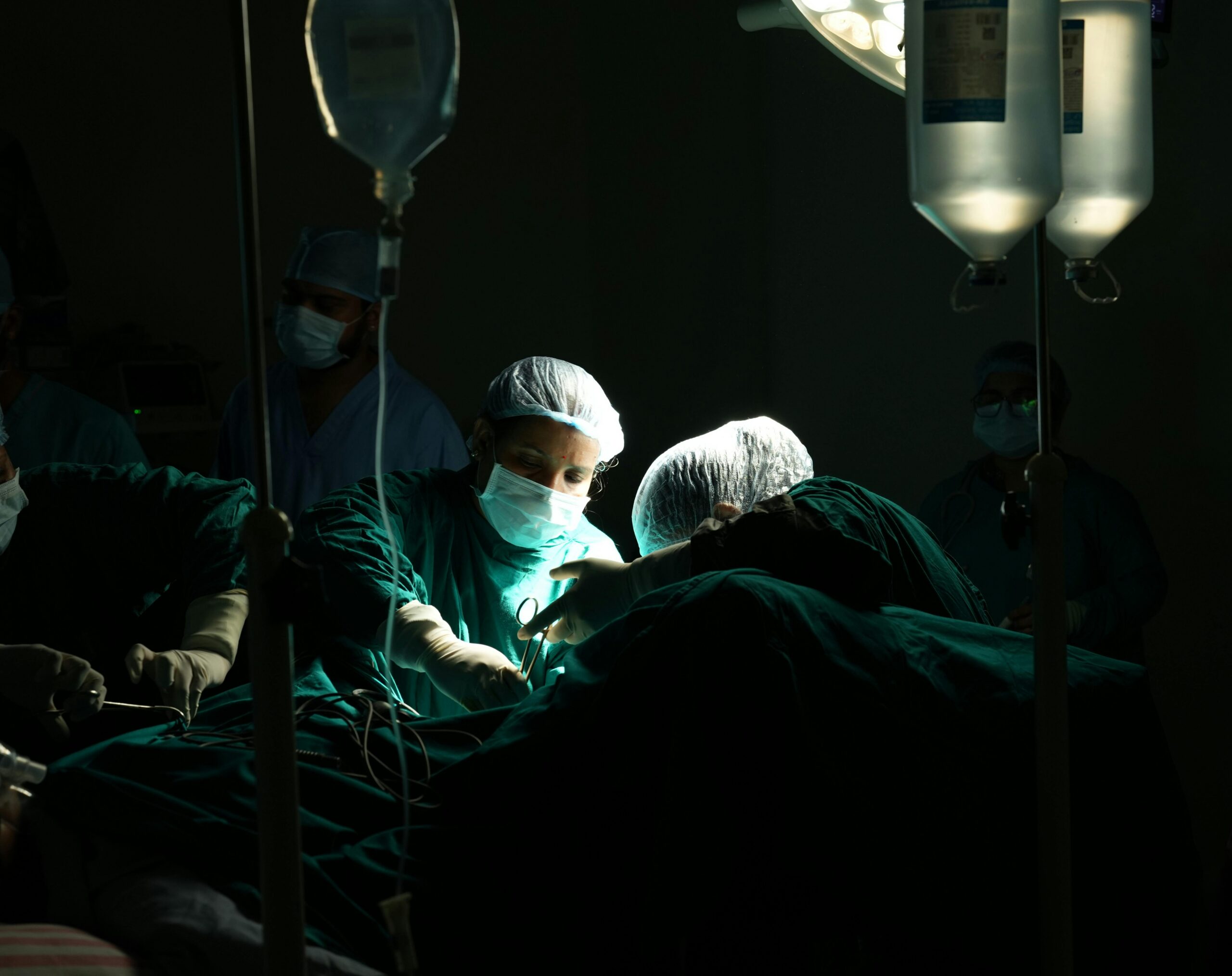
Photo Credit: A medical team focuses on a critical procedure, by JW MEDICARE PVT LTD via Pexels
Each year, up to 8.4 million people die because of poor quality care in low- and middle-income countries. Of these deaths, many are related to critical illness or injury, including sepsis, stroke, and kidney failure. Importantly, evidence suggests that a coordination of emergency, critical, and operative care can improve survival and save lives. To address this challenge, the WHO developed a global action plan to integrate these components of health systems.
At Stanford, researchers recognized a gap in efforts to integrate critical care globally. To address this, Critical Care Fellow Andrea Comiskey, MD, along with Director of Global Engagement Strategy and Clinical Professor Ana Maria Crawford, MD, MSc, FASA, created the Foundations in Critical Care seminar series.
Supported by a Global Health Seed Grant, the online series offered clinicians around the world an opportunity to engage in case-based discussions, curated trainings and interactive sessions. They also provided a comprehensive resource library.
The seminar series is organized into 12 sections that cover a range of topics spanning emergency, operative, and critical care. They include: treating various forms of shock, providing mechanical ventilation, treating renal disease, and treating maternal hemorrhage.
Through the sessions, the course sought to help participants identify the bedside needs of patients at greatest risk of critical illness and improve the quality of care delivered even when resources are constrained.
During the first year, the course had wide reach and impact. Between November 2024 and October 2025, 10,359 participants registered and more than 7,000 attended sessions, accessing 15,385 total hours of learning. Participants came from 160 countries, including Kenya, Ghana, Nigeria, Rwanda, Zambia, Tanzania, Zimbabwe, Uganda, Pakistan, and India.
One participant said of the program: “These series strengthened my clinical confidence, sharpened my critical thinking, and directly improved how I deliver and coordinate patient care. The knowledge gained translated immediately into better teamwork, safer decision making, and more structured workflows in my unit. It has been a valuable investment in both my professional growth and patient outcomes.”
Together, these reports and testimonials demonstrate the global impact of the course, striving toward a global commitment to improve the implementation of critical care.
“The future of global health lies in building resilient healthcare systems. The majority of critically ill patients are actually found outside intensive care units,” Crawford said. “We hope this series not only helped train the workforce but also had an impact on the quality of care delivered and greater safety for patients. All patients deserve access to time-critical care when needed.”
The future of global health lies in building resilient healthcare systems. The majority of critically ill patients are actually found outside intensive care units. We hope this series not only helped train the workforce but also had an impact on the quality of care delivered and greater safety for patients. All patients deserve access to time-critical care when needed.
Ana Maria Crawford, MD, MSc, FASA, Director of Global Engagement Strategy and Clinical Professor
Learn more about the Foundations in Critical Care here.